
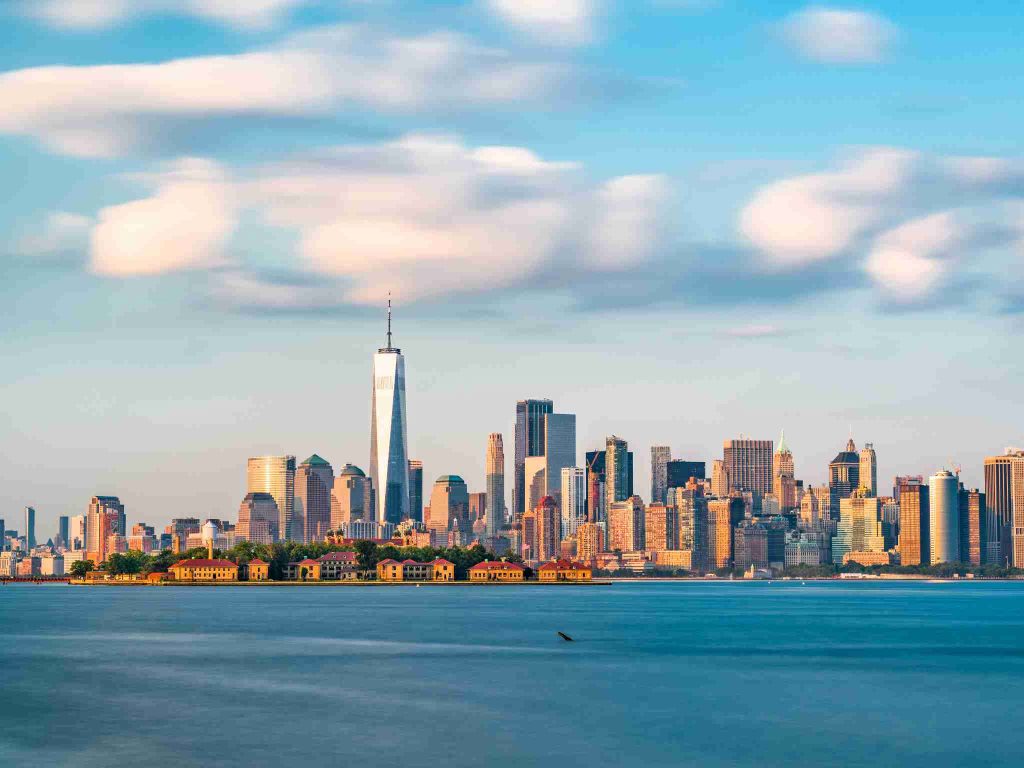
In the ever-evolving theater of New York City real estate, the spotlight has shifted dramatically toward retail. Prime storefronts in Manhattan—once emblematic of luxury, culture, and commerce—are experiencing a resurgence, fueled by a growing influx of foreign retailers. Amid an era of market flux and reinvention, these newcomers are not only revitalizing empty spaces but also redefining what it means to shop in the city that never sleeps.
A Scramble for Prime Locations
Manhattan’s prime retail districts are buzzing with renewed vigor. Soho, a long-standing haven for fashion and creativity, is witnessing a rapid absorption of spaces on Prince and Spring Streets. Broadway, one of the city’s most iconic retail corridors, is tightening as demand outpaces supply. Even in the Flatiron District, where Club Monaco is set to vacate its 19,170-square-foot space at 160 Fifth Avenue, the asking rent of $450 per square foot underscores the value of these coveted locations.
“Where there is good product, there is competition for it,” says Matt Chmielecki of CBRE. This competition has retailers looking southward and eastward, targeting areas with untapped potential.
Global Brands Leading the Charge
The international allure of Manhattan is stronger than ever, as foreign retailers seize the opportunity to establish a foothold in the world’s most prestigious market. Among the most anticipated arrivals is the French department store Printemps, which will soon open in a sprawling 55,000-square-foot space at 1 Wall Street. For downtown dwellers, this marks a new chapter in luxury retail, blending Parisian elegance with New York’s vibrant urban culture.
Other international names are also making waves. Moncler, the luxury snow gear brand, is relocating from 650 Madison Avenue to a 24,000-square-foot flagship at 767 Fifth Avenue, next to the iconic Apple Cube. The move is more than a change of address; it signals a shift toward creating immersive retail experiences. Expect Moncler’s new store to feature innovative elements like a ski chalet-inspired café or other experiential offerings designed to captivate and convert foot traffic into sales.
The Rise of Experiential Retail
In a city where competition is fierce, immersive experiences have become the new currency of retail success. High-profile brands like Louis Vuitton and Tiffany & Co. have redefined how customers engage with their spaces. Louis Vuitton’s temporary store at 6 E. 57th Street, complete with flamingos, giraffes, and a bold suitcase façade, has turned heads and driven traffic. Meanwhile, Tiffany’s revamped flagship store has reimagined the shopping experience with on-site dining and museum-like displays.
These innovative approaches are not merely aesthetic; they reflect a deep understanding of the modern consumer’s desire for connection, excitement, and narrative. With brands like the Path Entertainment Group leasing spaces for large-scale experiential projects, Manhattan’s retail scene is poised to offer more than just shopping—it’s becoming a destination for entertainment and cultural engagement.
Madison Avenue: A Corridor of Transformation
The transformation of Madison Avenue between East 58th and 61st Streets is a microcosm of Manhattan’s retail evolution. Gary Barnett’s redevelopment of 655 Madison Avenue into a 37-story luxury condominium with retail space is emblematic of a broader trend toward mixed-use properties. A block away, Related Companies is rebuilding 625 Madison Avenue into a 66-story tower with state-of-the-art retail frontage.
“These projects will redefine the stretch from 58th to 61st Street, making it prime, prime space,” notes Joel Isaacs of Isaacs & Co.
Even larger, storied spaces are undergoing transformation. The former Barney’s building at 660 Madison Avenue, once thought to signal the decline of luxury retail, may be divided into smaller, high-demand storefronts. This shift reflects a market hungry for dynamic, flexible spaces that cater to a new era of retail innovation.
NYC’s Prime Storefront: Adapting to New Realities
The reinvention of Manhattan’s retail landscape is not without its challenges. Landlords are becoming increasingly attuned to the needs of tenants, offering rents that are both competitive and sustainable. The goal is clear: to foster long-term success and avoid the pitfalls of vacant spaces.
This pragmatic approach is evident in the repositioning of landmark properties like the former Henri Bendel building at 712 Fifth Avenue. Paramount, the building’s representative, seeks a tenant that respects its architectural history while leveraging its iconic status.
“We are looking for a brand that is cognizant of the history and at one with it architecturally,” says Steve Soutendijk of Cushman & Wakefield.
The Future of Large-Scale Retail
While boutique stores are making their mark, large-scale experiential retail is emerging as a dominant force. The Path Entertainment Group’s lease of 11 Times Square for an undisclosed immersive project is just the beginning. Properties like the Crown Plaza Hotel at 1601 Broadway and the former “Good Morning America” corner at 1500 Broadway are attracting interest from tenants seeking vast spaces to create memorable, immersive environments.
“Any large space of 40,000 square feet or more with high ceilings and limited columns in a prime area has at least one large experiential user looking at it,” says Chmielecki.
These developments signal a broader shift toward transforming retail spaces into hubs of engagement and entertainment, aligning with the evolving expectations of urban consumers.
Why Now Is the Time
The resurgence of Manhattan’s retail market is fueled by a perfect storm of opportunity, creativity, and demand. The lingering effects of the pandemic and economic shifts created vacancies that are now being filled with dynamic, forward-thinking tenants. This is not merely a recovery; it’s a reimagining of what retail can be in the 21st century.
For foreign retailers, Manhattan represents the ultimate stage—a place where brands can showcase their creativity, connect with a global audience, and solidify their status as leaders in their industries. From the bustling streets of Soho to the luxury corridors of Madison and Fifth Avenues, the opportunities are vast and varied.
Looking Ahead
As we enter this new chapter of Manhattan’s retail renaissance, the city stands as a testament to resilience and reinvention. The influx of foreign retailers, the rise of experiential shopping, and the transformation of iconic spaces signal a bright future for New York City’s retail landscape.
For those who have long dreamed of establishing a presence in the world’s most vibrant city, the message is clear: the time is now. Manhattan’s streets are once again alive with opportunity, and those who seize the moment will shape the next era of retail innovation and excellence.
This is not just a moment for real estate—it’s a moment for reinvention. And as the city continues to evolve, one thing remains certain: New York will always be the capital of possibility.